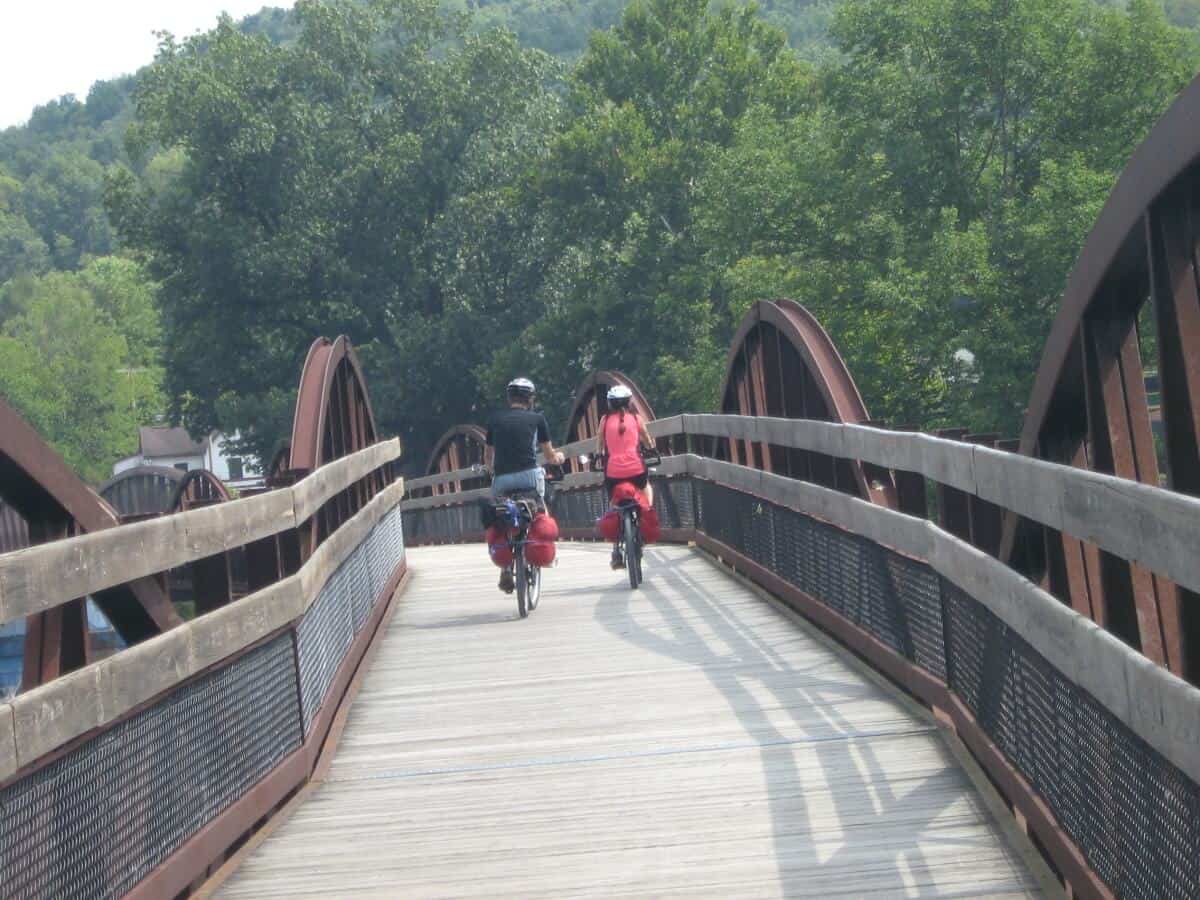

Interested in quickly learning the steps of planning a cycling tour?
As someone who has gone on numerous bicycle tours in Europe, Canada, and the USA, this is something I do all the time, and it is second nature, but if you are new to cycle touring, it can be a daunting task.
Use my helpful guide to quickly get started with these key steps when bicycle touring, planning!
1. Define Your Bicycle Trip Type
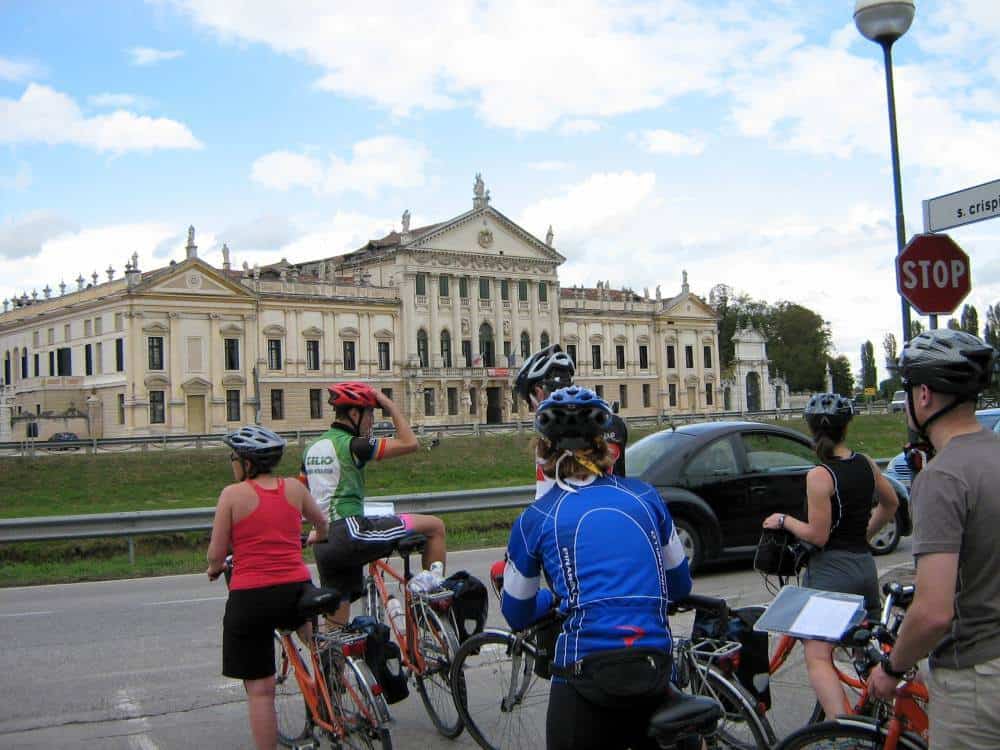
Why do you want to go on a bicycle tour? To see a certain country or state, tackle a particular cycling trail, or just take a bike vacation, want to see historic sites, or for fitness, or a combination of several of these reasons.
Decide on your trip type. Are you going solo, with a group, or taking a guided or self-guided tour? A cycling club to which I belong often arranges trips, and I sometimes go on these organized trips with friends, usually at a great price.
2. Pick Your Route
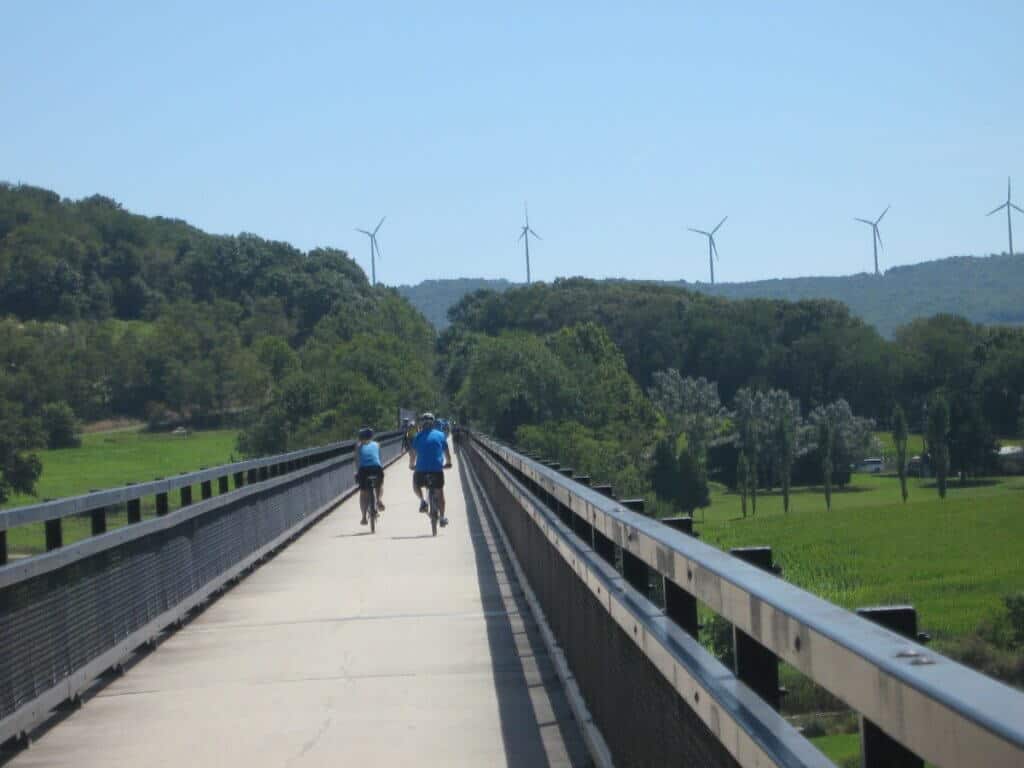
Research the route for your journey.
The easiest way is to look for established bike routes. In Europe, the EuroVelo network includes popular routes such as the Rhine & Danube. In the UK, Sustrans operates the National Cycle Network.
In the USA, the Adventure Cycling Network lists numerous routes, including the Great Allegheny Passage and Katy Trail. In Canada, there are the Icefields Parkway and the Cabot Trail. Many tourist boards highlight routes in their country, state, or province.
When looking at a route, consider the terrain, elevation, and daily distances you wish to ride.
If taking an international trip, check out the documentation required, such as passports, visas, and vaccinations.
3. Set a Realistic Budget
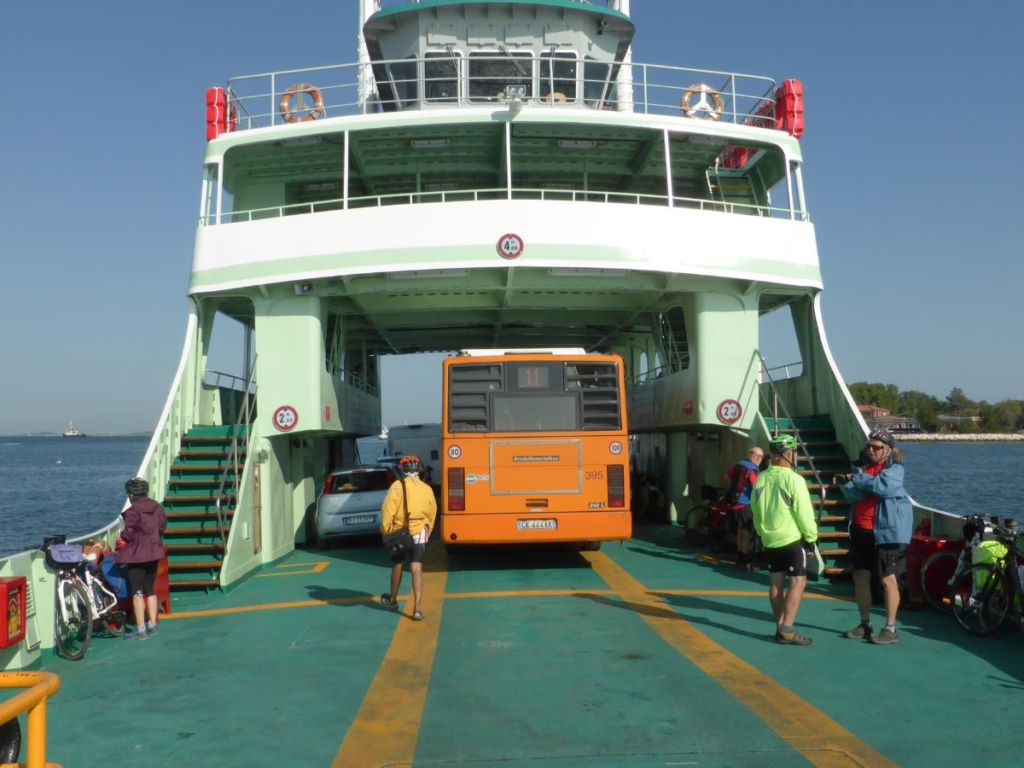
First, consider transportation costs (flight, rail, car) to the destination. And any additional costs during the journey, including a rail pass, ferry, bike rental (if applicable), travel insurance, etc.
Next, estimate costs for accommodation (if reserved in advance, you will know these costs). One option is to consider Warmshowers, a global community of touring cyclists.
Also, plan your meal costs (breakfast is often included at hotels) and sightseeing. A State Trail Pass is required in Wisconsin and sometimes in other regions, so be sure to factor that in.
During a cycle tour in Europe, I had some mechanical issues and had to visit a bike shop, so I budgeted for emergencies.
4. Taking Your Bike
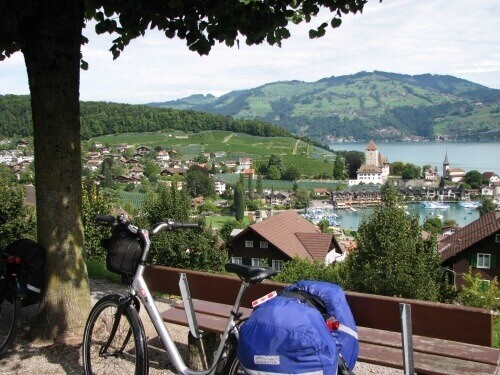
If taking your own bicycle, be sure to have a tune-up prior to the trip. I often do test rides with gear to get used to riding with panniers and heavier weights.
If renting a bicycle, be sure it comes with racks for your panniers and a lock. Check the number of gears. I have found bike rentals to be very inconsistent. In some countries, such as Switzerland, you can rent from one location and leave your rental bike at any of the 200 bike depots scattered around the country.
Does the airline carry bicycles on board at what charge and under what conditions, i.e., turn handlebars, need a bike box, etc? Taking your bicycle on the airline with the least number of connections should be considered. If you book early, you may qualify for a higher discount. Charter airlines should also be considered; a good travel agent or the internet can help you with this.
If you are taking your own bicycle packed in a bike box or case, you can either store the box at the airport or the railway station. However, what I recommend is staying at a hotel near the airport and leaving the bike box while making arrangements to return to the same hotel on your last night. I have never found this to be a problem. This means you must either plan a cycle route or take the train in one direction.
Most people, when cycle touring, carry their gear in panniers; however, along some popular bike routes, luggage transfers may be available, and if so, you may wish to make these arrangements.
5. Packing
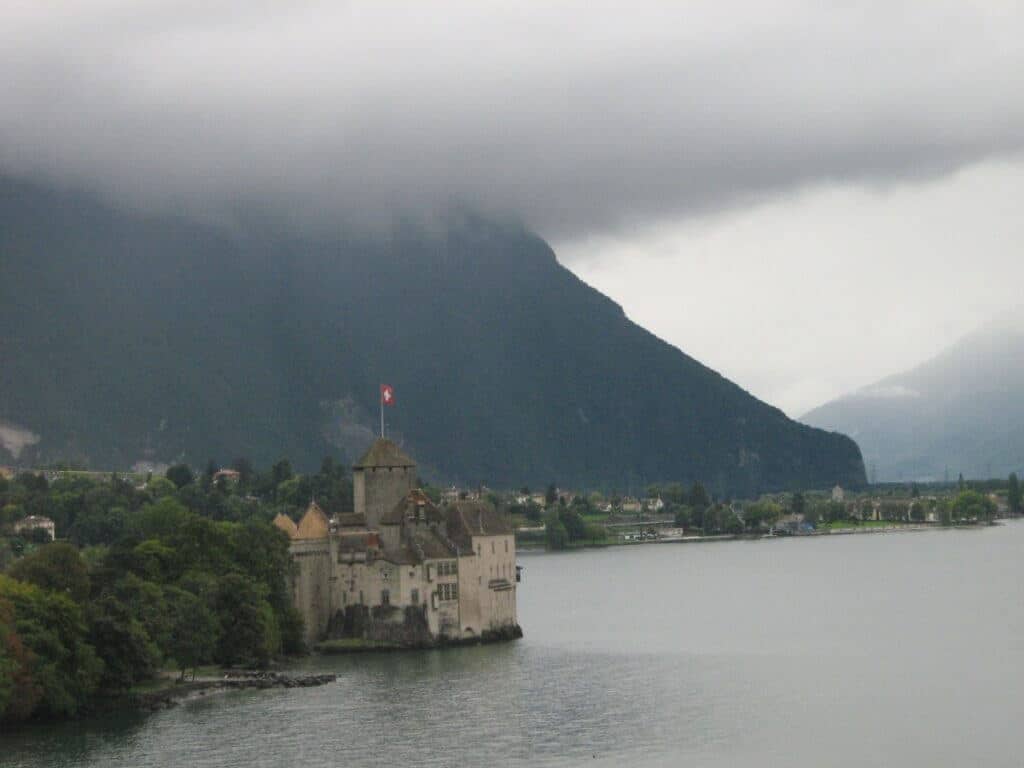
See my lightweight bicycle touring packing list for a complete list, but it includes items such as a helmet, water bottles, and a first aid kit. Be sure to check the list well in advance to ensure you have all the items.
When packing your panniers, make sure the weight is distributed evenly and that the heavier items are on the bottom. On each day of the trip, I pack exactly the same way to save time, and I find I am less likely to forget something.
What is the expected weather during your visit? It will change your choice of clothing.
If on a self-guided tour, navigation aids such as a GPS or Smartphone app are required. However, I find the old-fashioned paper maps and/or guidebooks are helpful. In some destinations, maps are only available upon arrival. Amazon and some local bookstores carry cycling route maps.
If applicable, load your camping gear on the rear rack. Be sure to pack some snacks as well.
6. Get fit for the journey

Practice riding your bicycle with a gear to get used to the handling and get in condition for your planned distances. Depending on the terrain, pay particular attention to climbing hills while loaded.
7. Plan Logistics
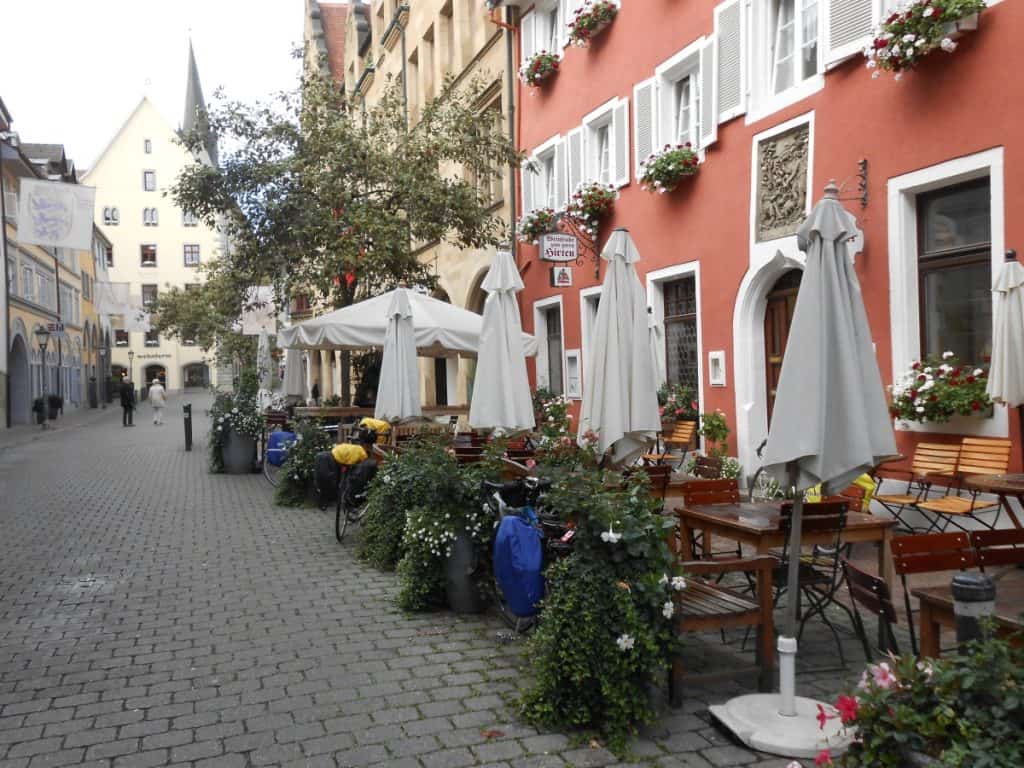
Reserve your flight, train ticket, or pass and accommodation. Ensure your route has access to food, water, and bike shops.
It is really only necessary to book your first night’s accommodation and perhaps Friday and Saturday nights if you are bicycle touring in Europe. If camping, you often do not need to book in advance. If staying in local hotels, I have only found a problem on weekends in Germany and Austria, so I book those nights. If booking in advance, ask about bicycle storage and advise what time you are expected to arrive.
Plan your stops along the way. I will sometimes cycle a short distance if I wish to explore a nearby destination, such as Bolzano to Trento on the Adige Bike Route in Italy. Accommodation locations of hotels, B&Bs, campgrounds, and Warmshowers should also be considered.
I have found it is best to plan some days with a 2- or 3-night stop to do some local cycling and sightseeing, and do the laundry.
Know local bike laws and road rules. In many countries, you require helmets, a bell or a horn, bicycle reflectors, or lights.
Figure out how you are getting from the airport to your first hotel or destination. In Europe, many airports have train stations. In other destinations, you may need to use the local bus service, but check to see if they can carry your bikes. Some cyclists prefer to leave right from the airport, but if doing that, check on expected traffic conditions.
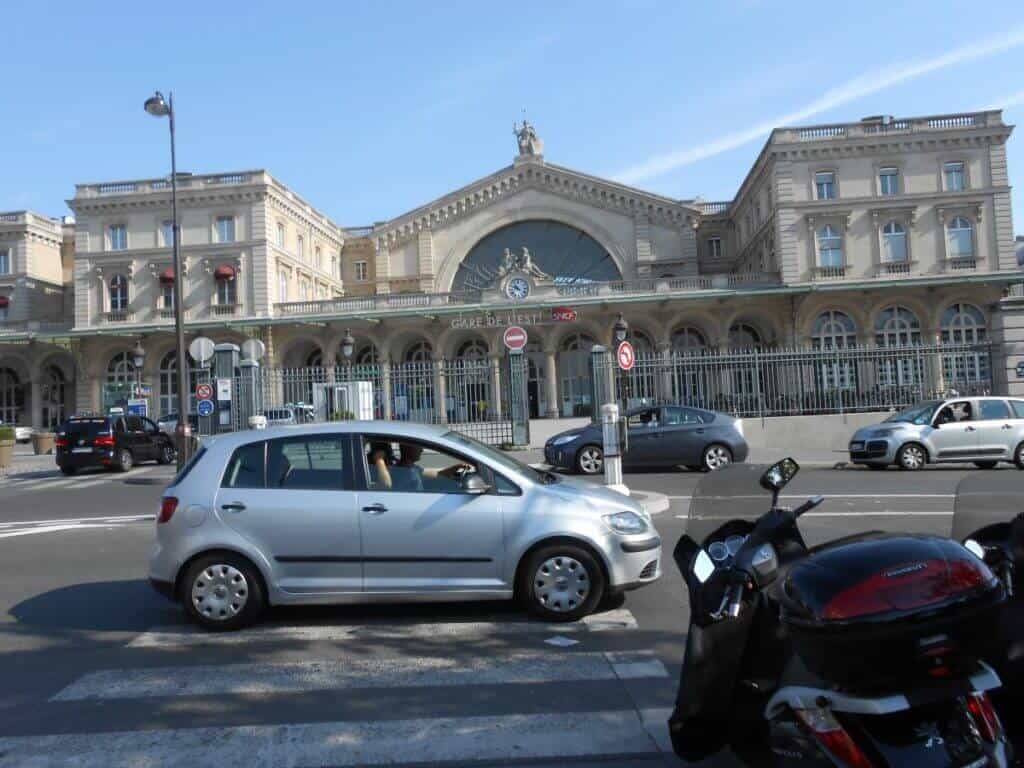
If using a train, it may be cheaper to buy the pass prior to leaving your home country. I used a Swiss rail pass, which gave me a discounted train ticket, discounts on train tickets I purchased locally, a reduced price on my rental bicycle, and free admission to museums, castles, and a wide range of attractions. The amount of money I saved on the admissions was more and covered what I paid for the train pass. Check the internet or with your travel agent, as passes vary a lot.
Trains in Europe generally have a bicycle storage area, but some require an additional fee. When using the TGV in France, bicycles were only accepted at certain times, so we had to take a very early train from Paris to Strasbourg, where we were going on the Rhine River Route.
Tip – print off your expected train times in advance as connections can only be a few minutes in Europe, and it is best to know in advance.
Do your homework. I don’t know about you, but I have returned from a bike tour and had someone ask how I enjoyed a certain thing, only to realize I wasn’t aware of it and would have loved a visit.
8. Enjoy the Journey!

Share your itinerary with someone you trust, such as a family member. Have a backup plan in case of bad weather or mechanical issues.
While you do not want to plan every moment of your bicycle tour and want and leave some flexibility in your itinerary, an efficient plan can ensure you pick the best route to fit your needs.
Document your experiences with a journal or photos to be shared. I hope you included some fun activities. Be sure to enjoy local foods and drinks, and see the sights along the way.
If taking a guided cycling tour, some things to consider
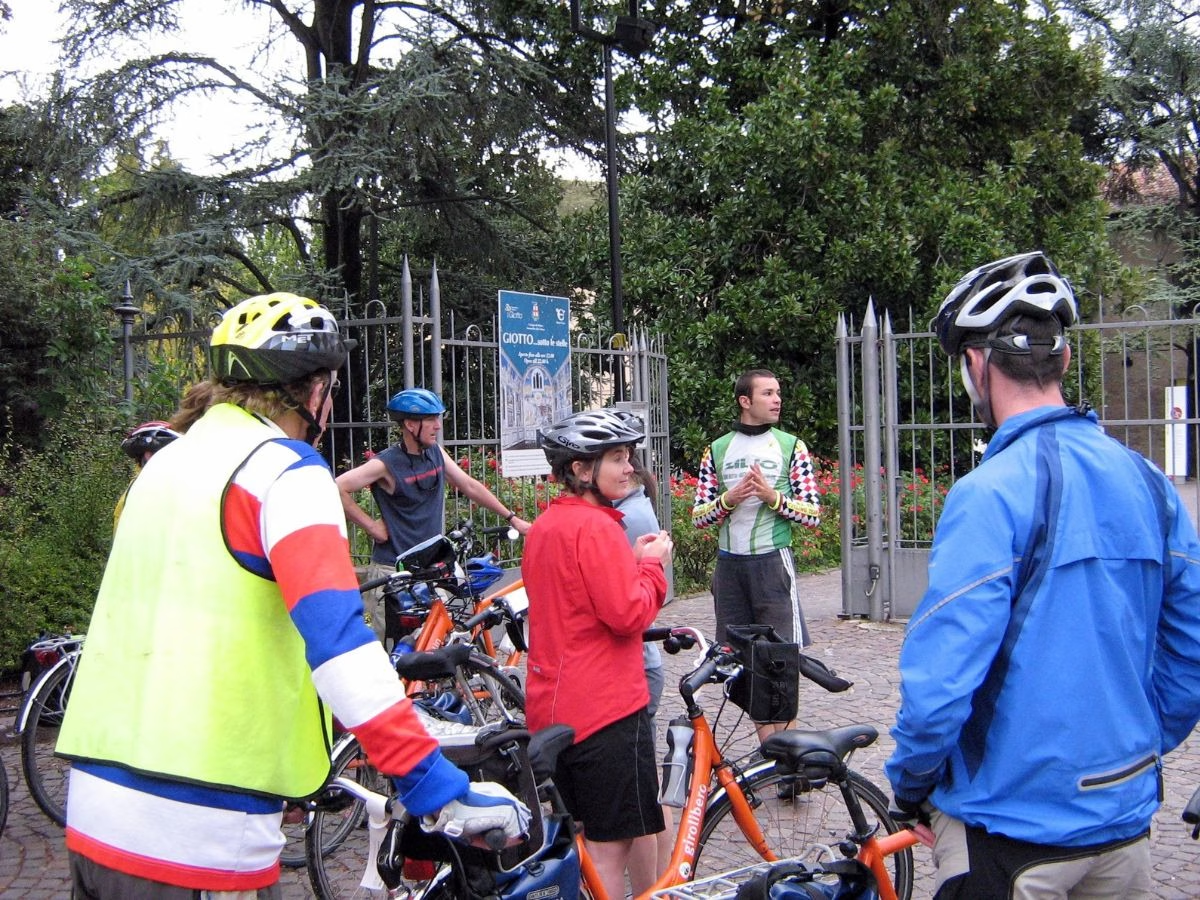
With a guided cycling vacation, you will have an experienced guide, arranged accommodation, and backup in case of repairs, and see the best the region has to offer. Often it includes bike rentals and some meals. An added advantage is that you are riding with a group of like-minded cyclists. Many of these tours do not charge a single supplement, where applicable.
- Types of bicycles they use
- Accommodation – 2 stars, 3 stars, etc.
- Included meals
- Any there any sightseeing or entrance fees included
- Experience of the guide
- Is there a sag wagon?
- Number of cyclists on the trip, usually 8 to 20
- Average daily distances, some offer a choice of an easy and a longer route
- Level of difficulty
- Are children permitted with the group? There are family groups, singles, groups, and general
FAQs: Planning for a Cycling Vacation
How do you organize a cycling expedition?
1. Pick your dates
2. Pick your destination and cycling route
3. Book any flights, trains, ferries, and accommodation
4. If taking your own bicycle, ensure in good repair, or if a bike rental, make the booking
What is the average speed for cycle touring?
Keep in mind you may be riding with loaded panniers, which will slow you down. An estimated 17 to 20 km per hour on flat terrain, which will vary if you have hills. Also, riding on a paved bicycle path may be quicker than on other surfaces or in a busy urban area with traffic lights.
Is bike touring hard?
Your first day of bike touring may be hard if you have not practiced riding, as you need to get used to the weight of the loaded panniers. After that, how hard it is depends on the terrain and distances you need to ride. There are flat and easy routes, such as the Danube route in Europe, and there are hilly routes as well.
Do you need to train for a bike tour?
Yes, you need to ride you ensure you are in shape for the bicycle tour. Also, you should do training rides to practice riding with loaded panniers, and the weight distribution takes a bit of getting used to at first.
Wrap-up: Key Steps for Planning a Cycling Vacation
Review your packing list and ensure you have all the items, including any documentation. Take some practice runs with loaded panniers to get used to the weight.
When planning your bicycle tour, taking these steps can help ensure you have a great trip.